
The Best Guitar Riffs of the 2020s, Genre by Genre
The best guitar riffs of the 2020s across indie, metal, glam rock and pop, plus the technique behind each one and where a beginner should start.
The best guitar riffs of the 2020s so far span jangly indie hooks, palm-muted metalcore chugs, glam-rock power chords and funk-inflected pop, from Wet Leg's "Angelica" and Måneskin's "I Wanna Be Your Slave" to Gojira's "Sphinx" and Olivia Rodrigo's "good 4 u". Below is a genre-by-genre rundown of the riffs critics and players actually point to, the specific technique each one leans on, and which of them a beginner or intermediate player can realistically start learning this week.
What Actually Counts as a "Riff" Here
A riff is a short, repeating guitar pattern, usually chord-based or built on the lower strings, that functions as a song's hook or its rhythmic backbone. Unlike a lick, which is a single-note phrase that changes from one solo to the next, a riff is meant to be heard the same way every time it comes around, often played through most of a verse or chorus without variation. That is the distinction this list is built on: Gojira's "Sphinx" riff and Wet Leg's "Chaise Longue" riff both repeat, both anchor their song, and both are recognizably "the thing that song does" the moment you hear them again. If you want the fuller breakdown of riff versus lick versus fill, we cover it in more depth here.
A hook and a riff are not automatically the same thing either. A hook is whatever part of a song gets stuck in your head, and in a lot of 2020s pop that is a vocal melody, not a guitar part. Every riff in this list is also a hook, but plenty of the decade's biggest hooks, including several from the artists mentioned below, are not guitar riffs at all. This list sticks to guitar.
The Best Guitar Riffs of the 2020s at a Glance
| Song | Artist | Year | Genre | Good First Riff to Learn? |
|---|---|---|---|---|
| Angelica | Wet Leg | 2022 | Indie rock | Yes, mostly open chords |
| Chaise Longue | Wet Leg | 2021 | Indie rock | Yes, two open chords |
| I Wanna Be Your Slave | Måneskin | 2021 | Glam rock | Yes, simple power chords |
| good 4 u | Olivia Rodrigo | 2021 | Pop-punk | Yes, movable power chords |
| Levitating | Dua Lipa | 2020 | Disco-funk pop | Yes, once muting is solid |
| Taking Me Back | Jack White | 2022 | Blues rock | Moderate, fuzzed-out bends |
| My Way, Soon | Greta Van Fleet | 2021 | Classic rock revival | Moderate |
| Urantia | Deftones | 2020 | Alternative metal | Moderate, needs a drop tuning |
| Sphinx | Gojira | 2021 | Progressive metal | Hard, pick-scrape control |
| The Abysmal Eye | Meshuggah | 2022 | Djent / progressive metal | Hard, polymetric timing |
| Monomyth | Animals as Leaders | 2022 | Progressive instrumental | Hard, tapping and extended range |
| Atreyu | Covet | 2020 | Math rock | Hard, fingerstyle precision |
This list is not exhaustive, and it should not be. Guitar.com ran a public "Riff of the Decade" vote pulling together dozens of nominees from across the genre map, and the picks below draw heavily on that shortlist alongside the individual song credits and release details for each track (Guitar.com's Riff of the Decade). What follows groups them by genre, then breaks down the actual technique behind each style so you are not just reading a list, you are learning what to practice.
Indie and Post-Punk Riffs
Indie and post-punk produced the most quietly influential riffs of the decade, mostly because none of them try to impress you on first listen.
Wet Leg's "Angelica", from their self-titled 2022 debut, spirals around a hypnotic, slightly off-kilter riff that repeats just enough to feel inevitable by the second chorus. Their earlier single "Chaise Longue" (2021) is even more stripped down: the whole song leans on G and C chords played with a dry, almost deadpan strum, which is exactly why it is one of the easiest genuinely famous 2020s riffs for a beginner to play convincingly on day one.
Fontaines D.C.'s "Televised Mind", from 2020's A Hero's Death, takes the opposite emotional route. Its riff sits in a colder, more discordant chord progression that critics have called one of the spookiest post-punk hooks of the decade, built from tension rather than hooks you can hum.
Shame's "Born in Luton", from 2021's Drunk Tank Pink, and Dry Cleaning's guitar work on tracks like "Her Hippo" both lean on tremolo-picked fuzz and reverb-soaked, spiky chords rather than clean melodic lines. Black Country, New Road's "Athens, France", from 2022's Ants From Up There, folds jazz and chamber-pop chord movement into a riff that refuses to sit still, which is part of why the band gets called genre-agnostic more than any other tag.
What ties this whole genre together is restraint. None of these riffs are technically hard. What makes them work is a controlled, even strumming hand and total commitment to the same small chord shapes, played the same way, for four minutes. That restraint shows up in the recording choices too, dry, close-miked, low-effect production turns up again and again across this genre, which is part of why a bedroom recording of a Wet Leg riff can sound closer to the original than a bedroom recording of a Gojira riff ever will. The gear gap between the record and your practice amp matters far less here than in almost any other genre on this list.
Glam and Classic Rock Revival Riffs
If the 2020s have a rock riff you have heard even if you do not follow guitar music, it is Måneskin's "I Wanna Be Your Slave", from 2021's Teatro d'ira: Vol I. The riff is a simple, almost throwback glam-rock idea, built from power chords with a swagger in the picking hand more than in the notes themselves, and it went from a post-Eurovision curiosity to a genuine rock radio hit off the back of it.
Greta Van Fleet's "My Way, Soon", also from 2021, builds an ascending, hopeful-sounding riff that consciously channels 1970s blues rock, right down to the tone. Jack White's "Taking Me Back", the lead single from 2022's Fear of the Dawn, is fuzzed-out, deliberately messy and blues-based in a way that critics singled out as some of his best guitar work in years, proof that a "simple" riff can still be the hardest one to nail because the feel matters more than the notes.
The Black Keys kept the blues-rock riff alive too. "Happiness", from 2022's Dropout Boogie, has the swampy, sleazy tone the band has built a career on, driven by a riff that leans on string bends and a dirty, low-gain tone rather than speed or complexity.
What all four of these riffs share is that they are technically approachable, most use standard tuning and open or first-position power chord shapes, but they are tone and feel dependent. Play the right notes on a clean bedroom amp setting and you will still not sound like any of these records. The riff is only half of what you are hearing.
Pop and Pop-Punk Riffs
Guitar in mainstream pop mostly disappeared in the 2010s, and one of the more interesting 2020s trends is how much of it came back, riff and all.
Olivia Rodrigo brought pop-punk power chords back to the top of the charts. "good 4 u", from 2021's SOUR, is built around a driving power chord riff in F#m that alternates with the punch of a full band hit, and it is a genuinely useful riff for a beginner because it teaches tight, repetitive down-picking more than anything technical. "Jealousy, Jealousy", from the same album, and "Bad Idea Right?" and "Vampire" from 2023's GUTS keep the same formula: thrashing, unfussy riffs that exist to headbang to, not to show off.
Dua Lipa's "Levitating", from 2020's Future Nostalgia, sits at the opposite end of pop guitar. Instead of distortion and power chords, it borrows a Nile Rodgers-style disco-funk riff, a tight, muted, single-note groove that locks with the bassline rather than sitting on top of it. It is a genuinely different skill from the pop-punk riffs above: less about strumming force, more about right-hand muting control.
Rina Sawayama's "XS", from 2020's SAWAYAMA, splits the difference in the most 2020s way possible: a metal riff, all crunch and six power chords in a row, dropped straight into a dance-pop song without apology. Willow's "Transparent Soul" (2021), a collaboration with Blink-182 drummer Travis Barker, leans fully into the pop-punk revival with thrashy power chords and oversized open-string chordal hooks, played on her own Ernie Ball Music Man St. Vincent signature guitar and drawing openly on Paramore, Fall Out Boy and Blink-182 as reference points. It is a good example of a trend that shows up again and again on this list, genre boundaries in guitar riffs mostly stopped mattering this decade.
Metal and Djent Riffs
Metal is where the 2020s produced its most technically demanding riffs, and also its most influential ones for the genre's future.
Gojira's "Sphinx", from 2021's Fortitude, is built on the band's signature pick-scrape technique, dragging the pick down the wound strings before landing on the riff itself, a sound that has become almost a genre signifier on its own. Deftones' "Urantia", from 2020's Ohms, works differently: an "intoxicating gallop" of a riff, built on tight palm-muted rhythm rather than scrapes or squeals, that still manages to groove instead of just chug.
Loathe's "Gored", from 2020's I Let It In and It Took Everything, tunes down further than almost anything else on this list, described by critics as "hilariously low" baritone tuning, and blends brutal metalcore riffing with shoegaze atmosphere in the same song. Meshuggah's "The Abysmal Eye", from 2022's Immutable, keeps doing what Meshuggah has done for three decades: polymetric riffs that layer odd-length phrases over a straight beat until the downbeat itself starts to feel like it is moving, a sound critics have nicknamed "breakdown face" for the reaction it gets live.
Mammoth WVH's "You're To Blame", from Wolfgang Van Halen's 2021 self-titled debut, is a more traditional headbanging hard-rock riff, proof the genre did not abandon straightforward riffing even as its edges got more technical. Animals as Leaders' "Monomyth", from 2022's Parrhesia, pushes furthest into progressive territory, tightly composed, extended-range guitar work that never wastes a note despite the technical ceiling it is working at.
The word "djent" itself, now used loosely to describe this entire corner of the genre, started as an accident. It traces back to Meshuggah guitarist Fredrik Thordendal describing the band's high-gain, palm-muted, low-tuned guitar tone out loud as a "dj- dj- dj-" sound, which a fan misheard as a real word and started repeating. Decades later it is the accepted shorthand for exactly the tight, low, palm-muted chugging that defines "The Abysmal Eye" and most of the metal riffs in this section.
None of the riffs in this section are a realistic first riff to learn. All of them assume comfort with palm muting, a lower tuning, and in Gojira's and Loathe's case, a guitar that can handle it. Start with the technique sections further down before you attempt any of these.
Math Rock and Technical Riffs
Math rock had a genuine moment in the 2020s, mostly carried by players treating the guitar closer to a percussion instrument than a melodic one.
Covet's "Atreyu", from 2020's catharsis, is a good entry point into the genre because it balances technicality with actual melody, Yvette Young's fingerstyle tapping and two-hand technique produce something that is math rock in structure but pop in how it lands on the ear. Black Midi's "John L", from 2021's Cavalcade, takes a noisier route: a spiralling, hypnotic riff dressed up with horns, more art-rock chaos than clean technical showcase, but built on the same restless, constantly-shifting chord movement that defines the genre.
Neither of these riffs is beginner material. Both demand a level of right-hand and fretting-hand independence that takes months, not days, to build. Covet in particular works largely in open tunings rather than standard tuning, which changes which notes ring under a tapped or fingerpicked shape and is part of why the band's riffs sound harmonically unlike almost everything else on this list. What is worth taking from them even as a beginner is the underlying idea: a riff does not have to repeat the same four bars to be a riff. It just has to have a recognizable shape.
Genre-Blending Riffs From Beyond the Guitar Mainstream
Some of the decade's most talked-about riffs came from artists working outside the guitar magazine mainstream entirely.
Mdou Moctar's "Chismiten", the opening track on 2021's Afrique Victime, blends Hendrix- and Van Halen-style rock guitar with traditional Tuareg desert blues, to the point where the line between rhythm and lead guitar mostly dissolves. It is one of the most distinctive guitar tones of the decade precisely because it does not come from the same influences as everything else on this list.
Orville Peck's "C'mon Baby, Cry", from 2022's Bronco, reframes classic country guitar with a cinematic, almost widescreen emotional weight, proof the riff-driven song did not stay confined to rock and metal. Nova Twins built their sound, including 2019's "Devil's Face" off their 2020 debut Who Are the Girls?, on huge pedalboards and punky aggression, delivering riffs that borrow as much from grime and industrial music as from punk.
The throughline across this section is the same one running through the whole decade: the guitar riff did not shrink in the 2020s, it just stopped staying inside genre lines. None of the three artists in this section share a genre, an influence, or even a continent of origin, and yet all three ended up on the same critics' shortlists as Gojira and Wet Leg. That is arguably the clearest evidence that "best guitar riff" stopped being a genre-specific category at some point in the last few years. A riff either grabs a listener's attention in the first four bars or it does not, and increasingly it does not matter what style of music surrounds it when it does.
More 2020s Riffs Worth Hearing
The genres above cover the decade's clearest trends, but plenty of riffs that came up repeatedly in critics' shortlists do not fit neatly into any one of them.
Amyl and the Sniffers' "Hertz", from 2021's Comfort to Me, is a driving, jangly punk riff that trades the band's usual snarl for something almost anthemic without losing any of the aggression. The Strokes' "The Adults Are Talking", from 2020's The New Abnormal, goes the other way entirely, a dry, deliberately small-sounding riff that leans on restraint and a thin, unglamorous amp tone rather than any effect at all.
Wolf Alice's "Smile", from 2021's Blue Weekend, builds a riff that critics have called spiralling and hypnotic in the same breath as heavy, proof the band can sit in noisy, riff-forward territory without abandoning the melodic instincts that define most of their catalogue. The War on Drugs took the opposite emotional route on "Change", from 2021's I Don't Live Here Anymore, a riff built on melancholic nostalgia that critics have described as carrying the energy of driving down a motorway at speed, more atmosphere than hook.
Buzzard Buzzard Buzzard's "New Age Millennial Magic" (2021) rounds this section out with a fuzzy, groove-driven riff that wears its Beatles, Queen and Bowie influences openly, a good reminder that not every guitar-forward 2020s song is trying to sound new. Some of the best ones are trying to sound like a specific decade of rock history filtered through a 2020s mix.
The Linda Lindas' "Racist, Sexist Boy" belongs in this section too, even though it was written by a band whose members were between eleven and sixteen years old at the time. Recorded live at the Los Angeles Public Library in May 2021, its sludgy, pummeling riff went viral within days, earned the band a record deal with Epitaph and later won Best Punk Record at the 2022 Libera Awards. It is proof that a riff does not need studio polish or years of technique behind it to hit, sometimes a loud, direct three-chord idea played with total conviction is enough.
What Makes a 2020s Riff Different From a 90s or 2000s One
Three things separate this decade's riffs from the ones that came before, and they matter if you are trying to learn to play in this style rather than just memorize a list.
The first is genre-blending as a default, not an experiment. Rina Sawayama dropping a metal riff into a dance-pop chorus, or Mdou Moctar folding Tuareg desert blues into hard rock phrasing, would have been treated as a novelty in the 2000s. In the 2020s it barely gets remarked on. If you are writing or learning riffs today, borrowing technique across genres is normal, not a gimmick.
The second is a split toward two extremes: riffs are either radically simple (Wet Leg's two open chords, Måneskin's straightforward power chords) or radically technical (Meshuggah's polymetric riffing, Animals as Leaders' extended-range tapping). The comfortable middle ground of a moderately complex, single-guitar rock riff, the kind that dominated the 1990s and 2000s, shows up far less often. That is useful to know if you are choosing what to learn next: you are usually choosing between "learnable this week" and "a genuine long-term project", with less in between.
The third is that revival sounds, 1970s blues rock, 1990s jangle-pop, glam rock, are not being copied so much as reprocessed through modern production and modern gear. Greta Van Fleet's blues-rock riffs and beabadoobee's jangle-pop hooks, from 2022's Beatopia, both lean on decades-old vocabulary, but neither sounds like a pastiche, because the amps, the pedals and the recording chain around them are entirely of this decade.
The Guitarists Behind the Technique
A handful of players on this list are worth knowing by name, because the techniques below trace directly back to how they personally approach the instrument.
Gojira's Joe Duplantier did not set out to invent the pick scrape. By his own account, it was born by accident on tour around 2002 and 2003, when he needed to recreate a slide sound live on the song "Embrace the World" and, without a slide to hand, dragged the skin of his picking-hand thumb across the strings instead. The scraping sound stuck, and it has since become as common in modern metal as the pinch harmonic.
Covet's Yvette Young builds nearly her entire style around two-handed tapping, using both hands independently on the fretboard the way a pianist uses both hands on a keyboard, often over open tunings rather than standard tuning. She has described the technique as needing real physical independence between the hands before it starts to feel like one fluid motion rather than two separate ones, which is exactly why math rock riffs like "Atreyu" are not realistic beginner material.
Animals as Leaders' Tosin Abasi takes tapping further still, combining eight-finger tapping with a percussive "thumping" technique, a double thumb slap and pop that strikes through a string before pulling it outward for a second note, all on an extended-range guitar with more strings than standard. It is a genuinely different instrumental vocabulary from anything else on this list, and it is worth knowing his name specifically if the technical end of the metal and math rock sections interests you.
The Gear Behind These Tones
The riff is only ever half the story. The same power chord shape sounds completely different through a bedroom practice amp than it does through the rig that produced the record, and knowing roughly what each genre reaches for will get you closer even before your technique catches up.
| Genre | Typical Guitar | Typical Amp Character | Typical Pedals |
|---|---|---|---|
| Indie jangle (Wet Leg, beabadoobee) | Single-coil electric, often on the bridge or middle pickup | Clean, low headroom, slightly dry | Little to none, maybe light reverb |
| Glam and blues rock (Måneskin, Jack White) | Humbucker or single-coil electric | Overdriven, mid-forward | Fuzz, overdrive |
| Pop-punk (Olivia Rodrigo) | Humbucker electric | High gain, tight low end | Distortion, noise gate |
| Disco-funk pop (Dua Lipa) | Single-coil electric, often strat-style | Clean, bright | Compressor, light chorus |
| Metal and djent (Gojira, Meshuggah, Loathe) | Extended-range or baritone-capable electric | High gain, scooped or tight low mids | Noise gate, sometimes a boost into the amp |
| Math rock (Covet, Animals as Leaders) | Extended-range electric, often in open tunings | Moderate gain, clear note separation | Light delay or reverb to support tapped notes |
None of this is a shopping list, and nothing here needs to be bought to start playing any riff on this list. A single guitar and a clean amp channel can get you through the technique sections below. Gain, pedals and pickup choice change the color of a riff, they do not change whether you can play it.
The Technique Behind the Power Chord Riffs
Most of the riffs in the glam rock and pop-punk sections above, Måneskin, Olivia Rodrigo, large parts of Rina Sawayama's "XS", are built from a single movable shape: the power chord, sometimes called a fifth chord.
A power chord uses just two or three notes, the root and the fifth, sometimes with the root doubled an octave up. Because it has no third, it is neither major nor minor, which is exactly why it works so well over heavily distorted or fuzzed guitar tones that would turn a full chord into mud. Here is the shape on the 6th and 5th strings, movable to any fret:
| String | Fret | Finger |
|---|---|---|
| 6 (low E) | 5 | 1 |
| 5 (A) | 7 | 3 |
| 4 (D) | 7 | 4 |
| 3 (G) | Muted | - |
| 2 (B) | Muted | - |
| 1 (high E) | Muted | - |
Slide that exact finger shape up or down the neck and the chord name changes but the fingering never does, which is why power chord riffs are usually the fastest realistic entry point into playing a real 2020s riff. The right hand does most of the actual work: down-picking with a slight palm mute keeps the sound tight instead of washy, and it is the difference between a riff that sounds like the recording and one that sounds like a beginner strumming through distortion.
The Technique Behind the Pick Scrapes and Palm-Muted Chugs
Gojira's "Sphinx" and Deftones' "Urantia" both rely on techniques that live entirely in the picking hand rather than the fretting hand.
A pick scrape drags the edge of the pick, or the pad of the picking-hand thumb the way Duplantier originally did it, down the wound strings, usually the 6th, 5th and 4th, before landing on a note or a chord. It produces a short, gritty, rising scrape that has become one of the signature sounds of modern progressive metal. The technique itself is simple to physically execute, drag rather than pluck, letting the distortion do the rest of the work, but it takes real practice to make it land at exactly the right moment in a riff rather than sounding like an accident.
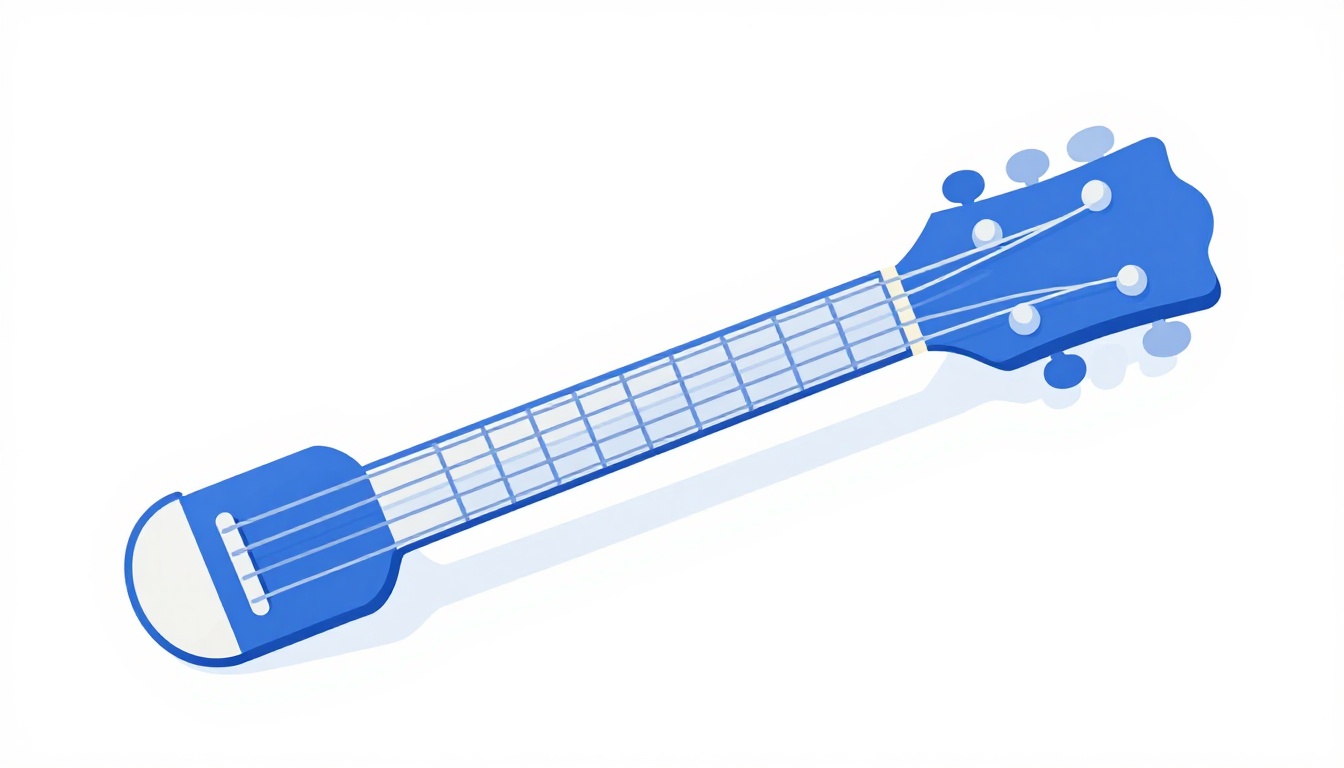
Palm muting is the more foundational skill, and it shows up in almost every riff in the metal and djent section above. Rest the edge of your picking hand's palm lightly on the strings, right where they meet the bridge, and pick as normal. Too much pressure kills the note entirely; too little and you barely dampen it. The "gallop" rhythm Deftones use on "Urantia", and the tight chugging under most djent riffs, both come from consistent, controlled palm pressure held steady through fast, repeated picking, not from the fretting hand doing anything unusual.
The Technique Behind Drop and Baritone Tunings
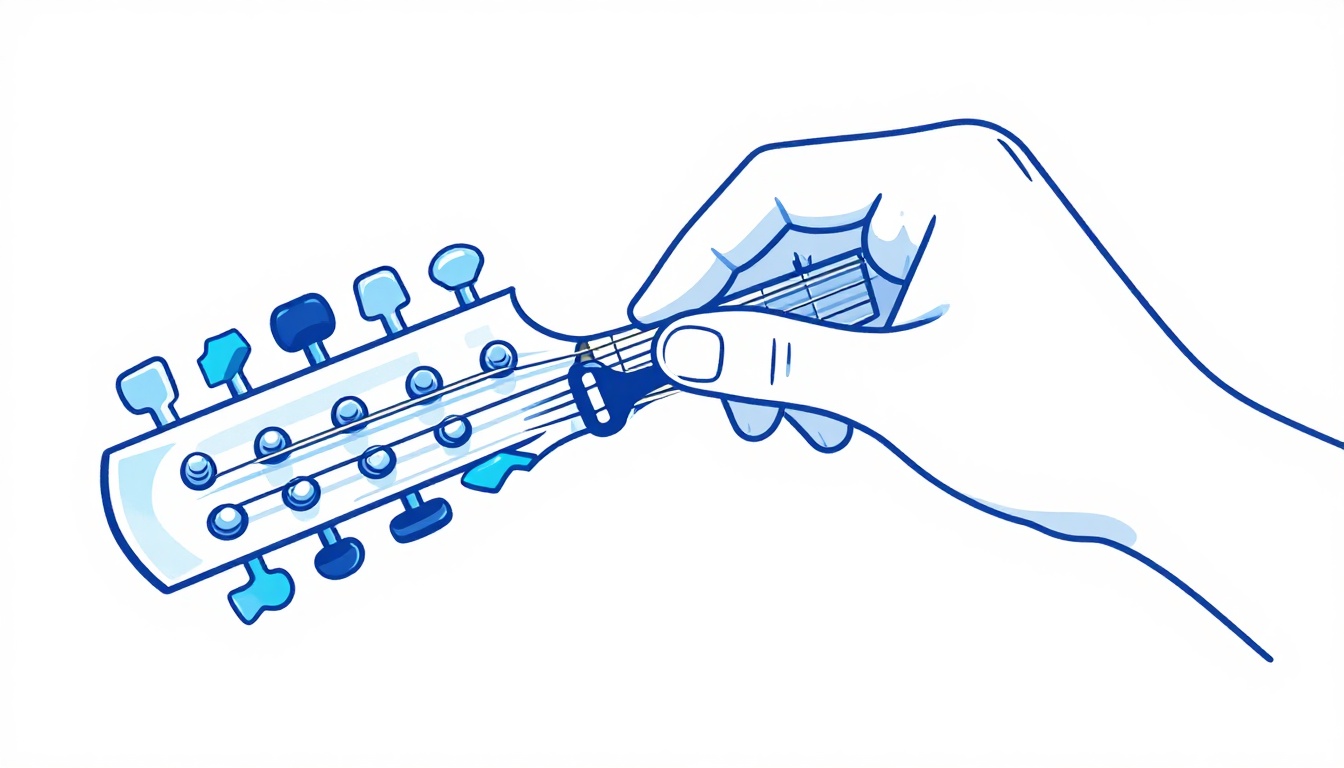
Several of this decade's heaviest riffs, Loathe's "Gored" especially, rely on tunings lower than standard E-A-D-G-B-E. Lower tunings loosen the strings, which thickens the tone and makes fast palm-muted riffing feel physically easier under the fretting hand, at the cost of string tension and clarity higher up the neck.
| Tuning | Strings (low to high) | Common In |
|---|---|---|
| Standard | E-A-D-G-B-E | Most rock, pop, indie riffs on this list |
| Drop D | D-A-D-G-B-E | Single-note power chord riffing, alt-metal |
| Drop C | C-G-C-F-A-D | Heavier alt-metal and metalcore |
| Baritone (B standard) | B-E-A-D-F#-B | Doom, djent, extended low-end riffing |
Drop D is the easiest of these to try, since only the 6th string changes, and it turns every power chord on that string into a one-finger barre instead of a two- or three-finger shape. Baritone and drop C tunings need heavier gauge strings to stay in tune and playable, which is why they show up mostly on guitars set up specifically for that tuning rather than a standard guitar just tuned down. If you want to explore riffs in this territory, start with drop D on your existing guitar before buying or setting up anything specifically for lower tunings.
The Technique Behind Open-Chord Jangle Riffs
Wet Leg's riffs, and much of beabadoobee's jangle-pop catalogue, come from a technique that looks deceptively simple on paper: open or first-position chords, strummed with a light touch and a dry, uncompressed tone.
The skill here is not the chord shapes themselves, most are chords you already know if you have played guitar for more than a few weeks. It is strumming discipline. Jangle riffs rely on even, metronomic strumming with almost no dynamic swell, the opposite instinct from a power-chord riff where you want attack and weight behind every hit. Practicing these riffs is genuinely useful even if this is not your preferred genre, because it trains a controlled, even strumming hand that most other styles on this list assume you already have.
This technique also builds directly on scale and chord vocabulary you likely already have if you have worked through basic open chords and the minor pentatonic scale, since jangle riffs often decorate a chord progression with single pentatonic notes between the strums rather than switching to a separate lead part.
The Technique Behind Funk-Disco Muted Strumming
Dua Lipa's "Levitating" riff belongs to a different family entirely: funk and disco rhythm guitar, the style Nile Rodgers built a career on and that the riff explicitly borrows from.
The core skill is right-hand muting while strumming, not while resting. Instead of letting chords ring or fully muting them like a palm-muted metal riff, funk rhythm guitar keeps the fretting hand hovering just above full pressure, so most strums produce a percussive "chick" rather than a clear chord, with occasional strums allowed to ring fully for accent. The picking hand keeps moving in a constant, even sixteenth-note motion throughout, up and down, even over the muted hits, which is what gives the style its relentless groove.
This is a genuinely different muscle memory from every other technique on this list, and it is worth treating as its own practice target rather than assuming palm-muting skill from metal riffs will transfer directly. It mostly will not.
Which of These Riffs to Learn First as a Beginner
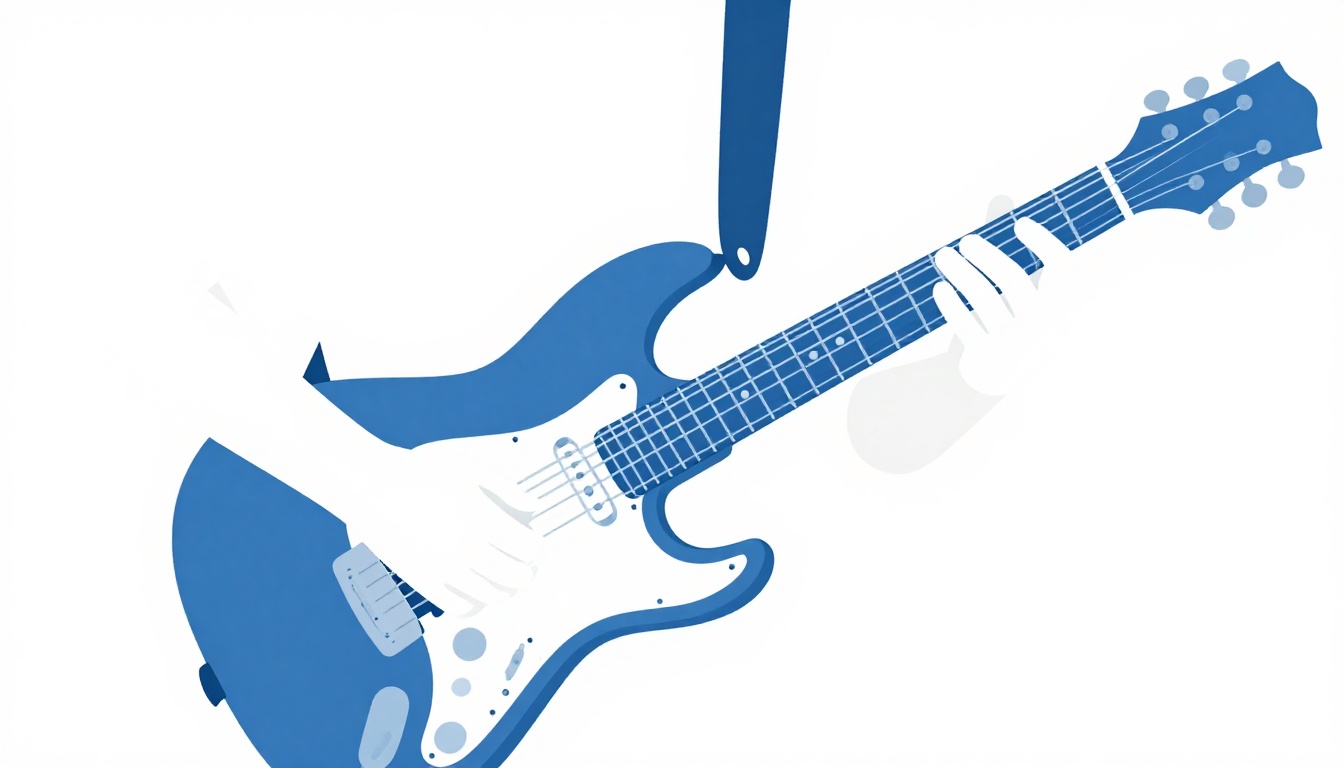
Given everything above, here is a realistic order to work through this list if you want to actually play some of it rather than just read about it.
Start with Wet Leg's "Chaise Longue" or "Angelica". Two or three open chords, a dry strum, no distortion tricks to fight through. This is the single most beginner-accessible riff on this entire list.
Move to Måneskin's "I Wanna Be Your Slave" next. It introduces the movable power chord shape from the technique section above, with a straightforward rhythm and no muting complexity yet.
From there, Olivia Rodrigo's "good 4 u" adds speed and consistency to the same power chord vocabulary, forcing your down-picking hand to stay tight over a faster tempo.
Only after those three should you attempt anything from the metal or djent section. Palm muting, pick scrapes and lower tunings are a different skill set built on top of the fundamentals above, not a shortcut around them. Trying Gojira's "Sphinx" or Meshuggah's "The Abysmal Eye" before your picking hand is solid on power chords is the fastest way to build bad muting habits that are hard to undo later.
If you get through all three beginner riffs comfortably and want a fourth before moving into metal, Willow's "Transparent Soul" is a good bridge. It keeps the movable power chord shape from "I Wanna Be Your Slave" and "good 4 u" but adds open-string chordal hooks that ring out between the muted hits, which starts training the same right-hand control the funk and metal sections below both depend on. Only attempt the math rock and tapping-based riffs, Covet's "Atreyu" and Animals as Leaders' "Monomyth" among them, once palm muting and basic hand independence both feel automatic rather than effortful. They are a multi-month project for almost anyone, and treating them as a quick win after a good week on power chords is the most common way players give up on this style entirely.
How to Learn Any of These Riffs by Ear
Tabs for most of the songs on this list exist on sites like Ultimate Guitar and Songsterr, and starting from a tab is fine. But learning to work a riff out by ear is a skill worth building alongside reading tabs, because it is the only method that works for a riff nobody has transcribed yet.
Slow the recording down without changing its pitch, most streaming apps and dedicated tools like the Amazing Slow Downer or a plain YouTube playback speed control handle this. Start at half speed. Isolate the first two or three notes only, and do not move on until you can sing them back before playing them, singing forces you to actually hear the pitch relationships instead of guessing at fret positions.
Work out the rhythm separately from the notes. Clap or tap the riff's rhythm on a table before you touch the guitar. Most riffs that sound hard to learn by ear are actually rhythmically simple, it is the syncopation, notes landing slightly before or after where you expect, that makes them feel unfamiliar.
Once you have a phrase, check it against the recording at full speed with the guitar turned down and just your ear judging the match. If it lines up, move to the next phrase. If a riff genuinely will not come together this way after real effort, that is what tabs are for, not a failure.
Match the register before you match the exact frets. A common mistake is hunting for a riff's opening note somewhere up around the twelfth fret when the recording is actually playing it open or in first position an octave lower. Hum the note, then find that same pitch on your open strings first, low E through high E, before you start searching higher up the neck. Most riffs on this list, outside the metal and djent section, live in first position or within the first five frets.
Isolate the riff from the rest of the mix if your listening tool allows it. Some streaming and video platforms let you reduce a track's tempo without touching pitch, and a few dedicated apps go further and can suppress vocals or emphasize mid-range frequencies where most rhythm guitar sits. None of this is required, a lot of players work everything out with nothing but their own ears and patience, but it removes one variable while you are still building the skill.
Finally, resist the urge to learn a riff exactly once and move on. Play it back against the recording three or four times across a few days, not just once when you first nail it. The gap between "I can play the right notes" and "this sounds like the record" almost always closes in that repetition, not in the initial working-out.
Why Your Attempt at These Riffs Still Sounds Off
Getting the right notes and still sounding wrong is the most common complaint learning any riff on this list, and it almost always traces back to one of these.
Strumming Too Hard on Jangle Riffs
Wet Leg and beabadoobee style riffs lose their character entirely if you attack them the way you would a rock riff. Ease off the strumming hand, aim for a light, even touch, and resist the urge to accent every downbeat.
No Muting Control on Power Chord Riffs
If a Måneskin- or Olivia Rodrigo-style riff sounds muddy rather than tight, the problem is almost always the fretting hand lifting slightly between chord changes instead of staying planted, or the picking hand not palm muting at all. A small amount of palm contact on the strings near the bridge cleans this up immediately.
Rushing the Tempo
Riffs that repeat, which is most of them, tend to speed up under a beginner's hands because repetition breeds impatience. Practice with a metronome, even five minutes of it, before you judge whether a riff feels right or wrong.
Wrong Pick Angle for a Pick Scrape
A pick scrape that sounds like a clean note instead of a scrape is usually a pick angle problem: the edge of the pick needs to drag across the strings, not strike them flat. Angle the pick almost parallel to the strings before you pull it downward.
Tuning Drift on Lower Tunings
Drop D and lower tunings put less tension on the strings, which means they go out of tune faster, especially on a guitar not set up for it. If a drop-tuned riff sounds slightly wrong even when you are confident in the notes, check your tuning again before you assume it is a technique problem.
Missing the Muted "Chick" on Funk Riffs
A "Levitating"-style riff that sounds like ordinary strumming instead of a groove usually means the fretting hand is either pressing all the way down or lifting off the strings completely on the muted hits. It needs to hover, just enough contact to kill the pitch without killing the percussive sound entirely.
Fighting the Wrong Hand Independence on Tapped Riffs
Attempting a Covet- or Animals as Leaders-style tapped riff before your fretting and picking hands can operate independently is the fastest way to stall out on this style entirely. Practice each hand's part alone first, the fretted notes with your normal fretting hand technique, then the tapped notes on their own, before combining them. Trying to learn both hands together from bar one is why this section of the list feels so much harder than it needs to for a first attempt.
Ignoring the Original Tuning
A riff played in standard tuning when the recording uses drop D, drop C or an open tuning will never sound quite right, even with every fret number correct, because the open strings ringing underneath the riff are simply different notes. Check the tuning before you assume a riff "just sounds off" for technique reasons.
A One-Week Practice Plan for Riff Playing
Pick one riff from the beginner order above and give it a focused week rather than splitting your practice time across three or four songs at once.
| Day | Focus | Tempo |
|---|---|---|
| 1-2 | Learn the shapes and notes only, no rhythm yet | Half speed or slower |
| 3-4 | Add the rhythm with a metronome | Half speed, increasing gradually |
| 5 | Play along with the original recording | Reduced speed |
| 6-7 | Bring it up to full tempo | Full speed, twice in a row without a mistake |
Do not skip ahead to full tempo just because a riff feels easy on day two. Speed exposes timing problems that slow, careful playing hides completely, which is exactly why the plan holds you at reduced tempo through day five even after the notes themselves are correct. Fifteen focused minutes a day on one riff will get you further in a week than an hour of unfocused switching between several, and it is a far better predictor of whether you will actually remember the riff a month from now.
Where to Keep Listening for More 2020s Riffs
This list is deliberately narrow, one genre-by-genre pass through riffs that came up repeatedly across critics' year-end and decade lists. Guitar.com's own "Riff of the Decade" feature, which several of the songs above are drawn from, also runs a companion Spotify shortlist that is worth working through on its own if you want a wider net than this post covers. Treat it as a listening exercise, not a playing one: pick a handful of songs outside your usual genre and just notice what the guitar is doing underneath the vocal. That habit, more than any single technique above, is what eventually lets you recognize a good riff before you have even worked out how to play it.
FAQ
What is the most famous guitar riff of the 2020s so far?
There is no single agreed-upon answer, but Måneskin's "I Wanna Be Your Slave" and Wet Leg's "Chaise Longue" and "Angelica" are among the most commercially recognized, while Gojira's "Sphinx" and Meshuggah's "The Abysmal Eye" are the most cited within metal guitar circles specifically.
Are 2020s riffs harder to play than classic rock riffs?
It depends heavily on genre. Indie and pop-punk riffs from this decade, like Wet Leg's or Olivia Rodrigo's, are often easier than classic rock staples. Metal and math rock riffs from bands like Meshuggah, Animals as Leaders and Covet are considerably harder, relying on extended-range guitars, polymetric timing or two-hand tapping that most classic rock riffs never required.
Do I need a 7-string or baritone guitar to play modern metal riffs?
Not to start. Drop D on a standard 6-string guitar gets you into the same territory as most drop-tuned riffing. A dedicated baritone or extended-range guitar only becomes necessary once you are chasing the specific low end of bands like Loathe or extended-range players like Animals as Leaders.
What scale are most 2020s riffs built from?
Most rock, pop-punk and indie riffs on this list lean on the minor pentatonic scale or simple power chord shapes rather than a specific scale. Metal and math rock riffs draw on a wider range of scales and modes, but the pentatonic scale remains the most useful starting point for writing or improvising in a similar style.
Can a beginner really learn a riff like these in a week?
Yes, for the beginner-tier riffs specifically. Wet Leg's open-chord riffs and Måneskin's power chord riff are realistic one-week targets for someone with a few months of guitar under their belt. The metal and math rock riffs on this list are multi-month projects, not one-week ones.
Why do so many 2020s riffs sound like they are borrowing from the 70s or 90s?
Several acts on this list, Greta Van Fleet's blues rock and beabadoobee's jangle-pop among them, are consciously working in a revival style. The difference from a straight copy is production and gear: the tones, amps and recording techniques behind these riffs are contemporary even when the riff vocabulary is not.
Is palm muting the same skill across pop-punk, metal and funk riffs?
No. Palm muting for a power chord riff dampens the chord almost fully for a tight chug. Funk-style muting, like in "Levitating", only partially dampens the strings to create a percussive sound while strumming continuously. They use the same hand position but different amounts of pressure and very different rhythmic goals, and one does not automatically transfer to the other.
Do I need to read tabs to learn these riffs, or is learning by ear enough?
Either works, and most players end up using both. Tabs are faster for a riff that has already been transcribed accurately, and most songs on this list have one available on sites like Ultimate Guitar or Songsterr. Learning by ear is slower at first but is the only method that works for a riff nobody has written down yet, and it builds a skill that transfers to every future song, not just the one in front of you.
Why do so many of these riffs come from bands rather than solo guitarists?
Most of the artists on this list, Wet Leg, Fontaines D.C., Black Country New Road, Meshuggah, Gojira, Måneskin among them, are working bands with a fixed rhythm section, which changes how a riff gets written. A riff that has to lock with a specific bassist and drummer night after night tends to end up tighter and more repetition-friendly than one written in isolation, which is a big part of why so many of the riffs above are simple in construction but precise in execution.
GuitarLowKey
Ready for fifteen focused minutes?
Open the web app and train the change that is blocking your song.